


Lore | Forge and Fire: The Mountain Kingdom of Stonehold
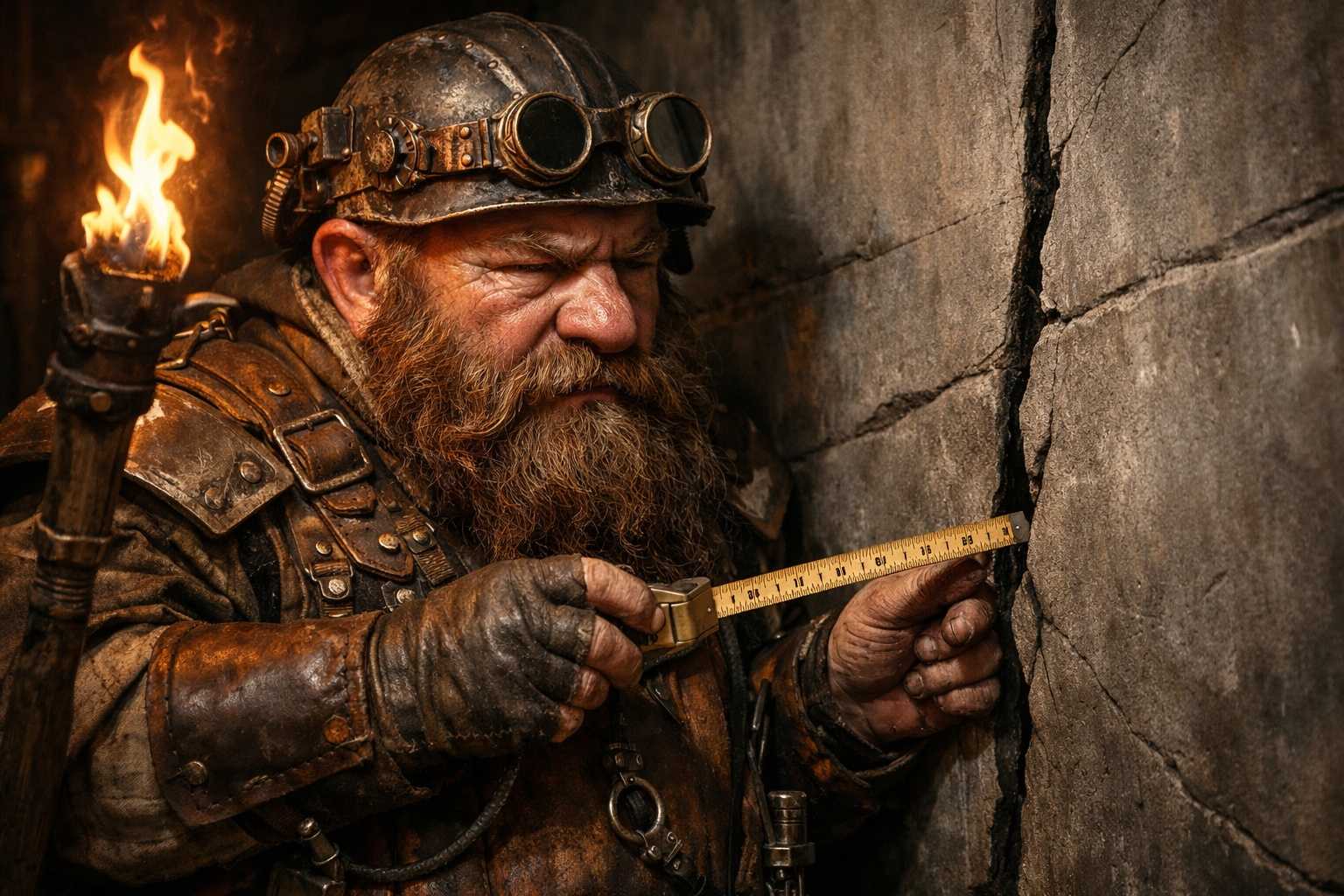
The crack was thirteen inches long.
Foreman Bragni measured it twice, wrote down the number, then measured it a third time because numbers were supposed to stay the same. They weren’t supposed to change depending on how hard you looked.
Thirteen inches. Perhaps fourteen.
He put the measuring tape away and ran his finger along the fissure. The stone was cold, which was wrong. This deep in Stonehold, this close to the Forgeheart, nothing was cold. Even the walls sweated warmth. Even the air tasted of copper and iron.
But the crack was cold. His finger came away numb.
“When did you first notice it?” Bragni asked.
Behind him, the survey crew shuffled nervously. Torgen, the eldest, cleared his throat. “Three days ago. We thought it was settlement. Normal settlement—the kind you get after a spring thaw.”
“It’s autumn.”
“Yes.”
Bragni touched the crack again. The cold was spreading now, a thin line of numbness tracing toward his wrist. He pulled his hand back.
“This isn’t settlement,” he said.
The survey charts showed nothing unusual. Bragni spread them across the stone floor of the shaft station and traced the lines with his stubby finger. Tunnels branched in all directions—some centuries old, some cut within living memory. The Sixth Shaft, where the crack appeared, was ancient: one of the original passages carved by the first stonemasons, blessed by priests of Vondar when the world was young.
Blessed stone didn’t crack. That was the doctrine.
And yet.
“Has there been any seismic activity?” Bragni asked. “Tremors? Rumbles from below?”
The crew exchanged glances. Torgen spoke again. “Not exactly tremors. More like… pressure. The miners say it feels like something pushing against the walls from the other side.”
“The other side of what?”
“That’s the thing.” Torgen’s voice dropped lower. “There isn’t supposed to be another side. According to the charts, Shaft Six terminates at solid bedrock. There’s nothing beyond it.”
Bragni studied the chart. The line marking Shaft Six ended in a solid black fill—the cartographic symbol for impassable rock, confirmed by survey. Dwarven surveys were reliable. Dwarven surveys had been reliable for eight hundred years.
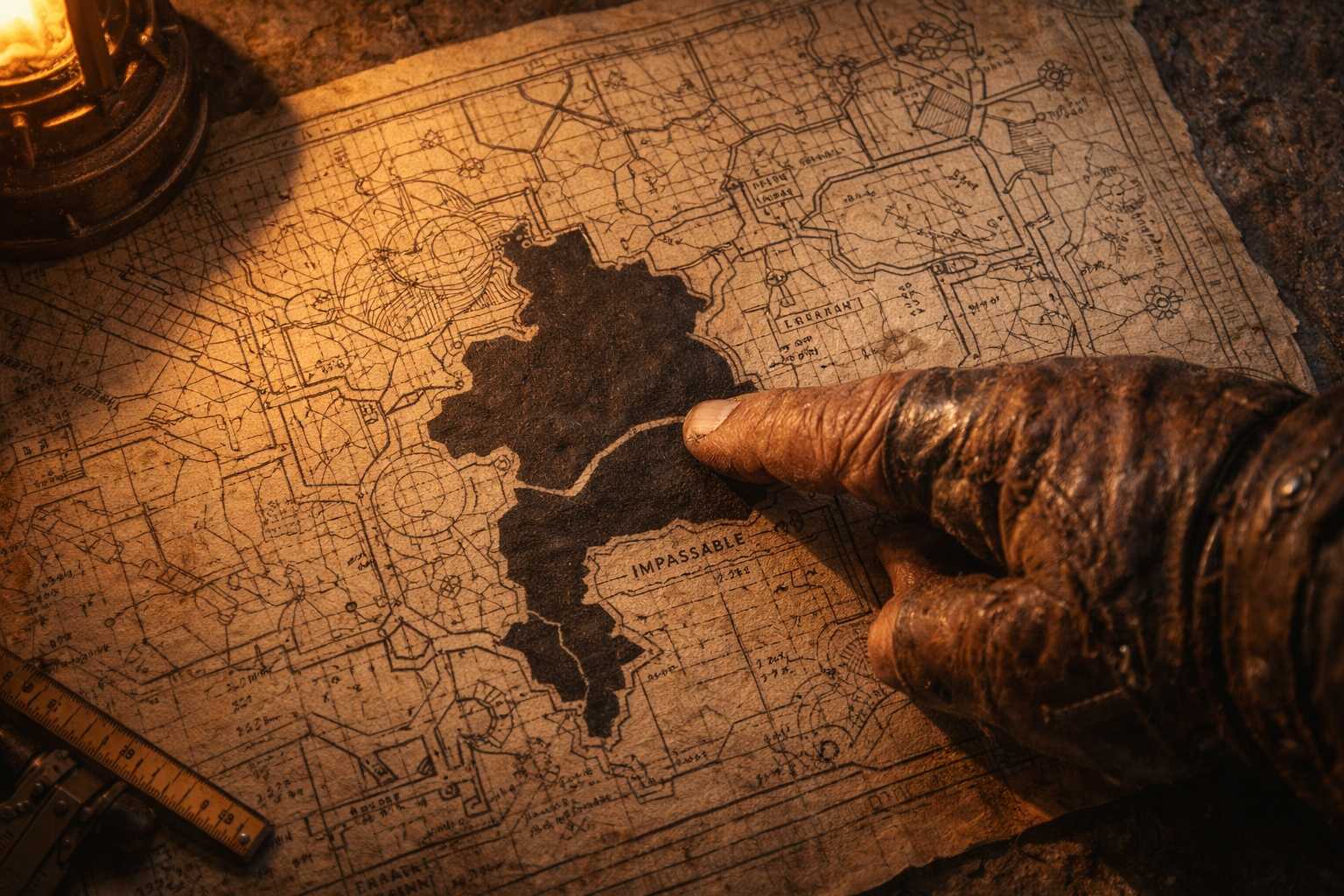
He rolled up the chart. “Show me.”
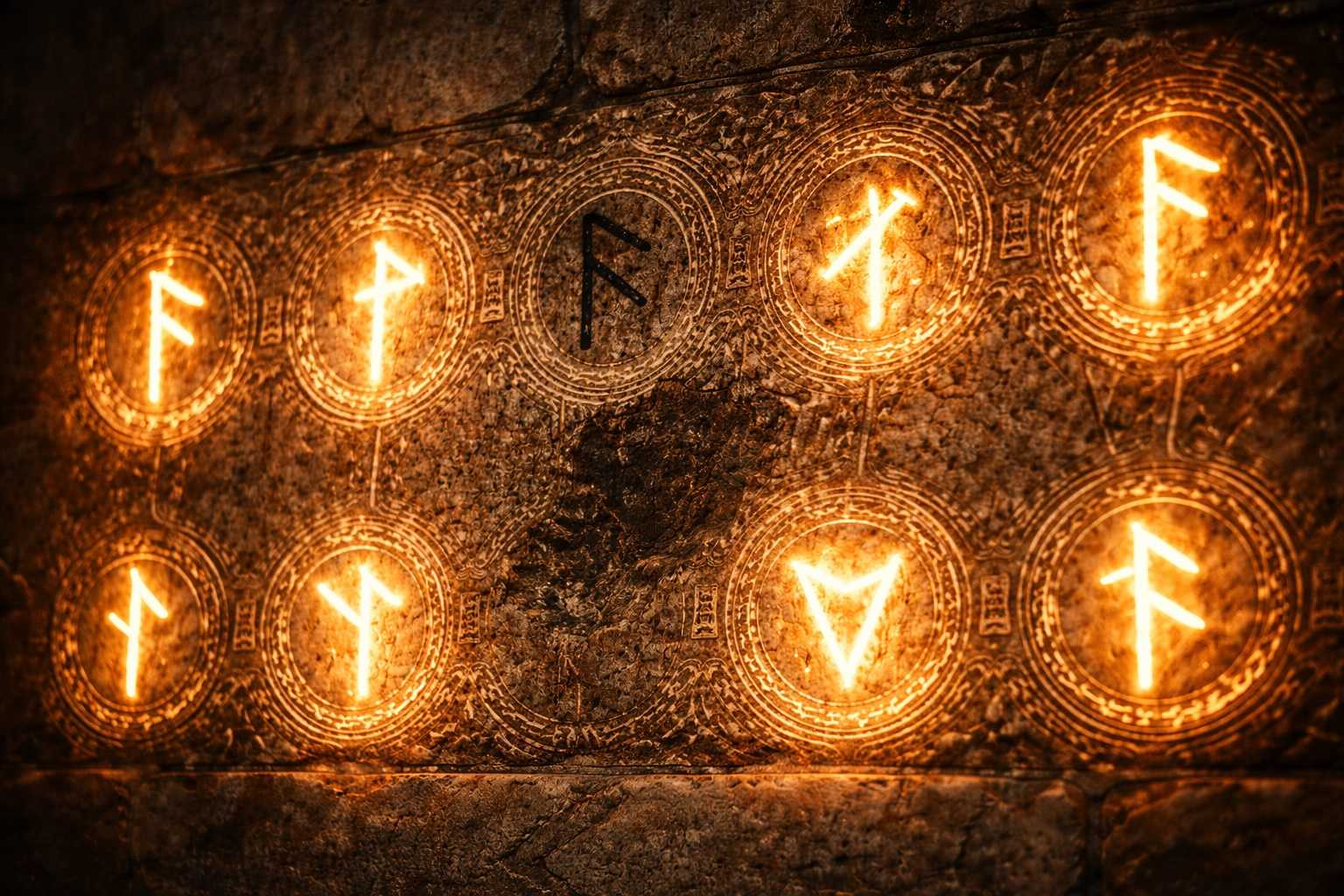
They walked for twenty minutes, descending through passages carved with perfect geometric precision. Runes of protection lined the walls, glowing faintly with the residual blessing of generations of priests. Bragni touched them as he passed, a habit from childhood. The runes were warm.
Except when they weren’t.
He stopped. “This one.”
The rune—a standard ward against cave-ins—was dark. Not damaged. Not erased. Just… empty. Like a lamp that had run out of oil.
Torgen nodded. “We noticed that too. Reported it to the temple. They said they’d send someone.”
“When?”
“Next month.”
Next month. As if dead runes could wait like accounting errors.
Bragni moved on.
The crack was worse than described.
It ran along the ceiling of the Sixth Shaft, a jagged line that seemed to pulse faintly in the torchlight. Bragni climbed the inspection ladder and pressed his measuring tape against it.
Seventeen inches.
He stared at the number. Then he measured again.
Nineteen inches.
“It’s growing,” he said.
“Impossible,” Torgen replied. “Stone doesn’t grow.”
“Neither do cracks.” Bragni climbed down. “When was your last measurement?”
“This morning. Twelve inches.”
Twelve to nineteen in six hours. That wasn’t settlement. That wasn’t geological pressure. That was something else entirely.
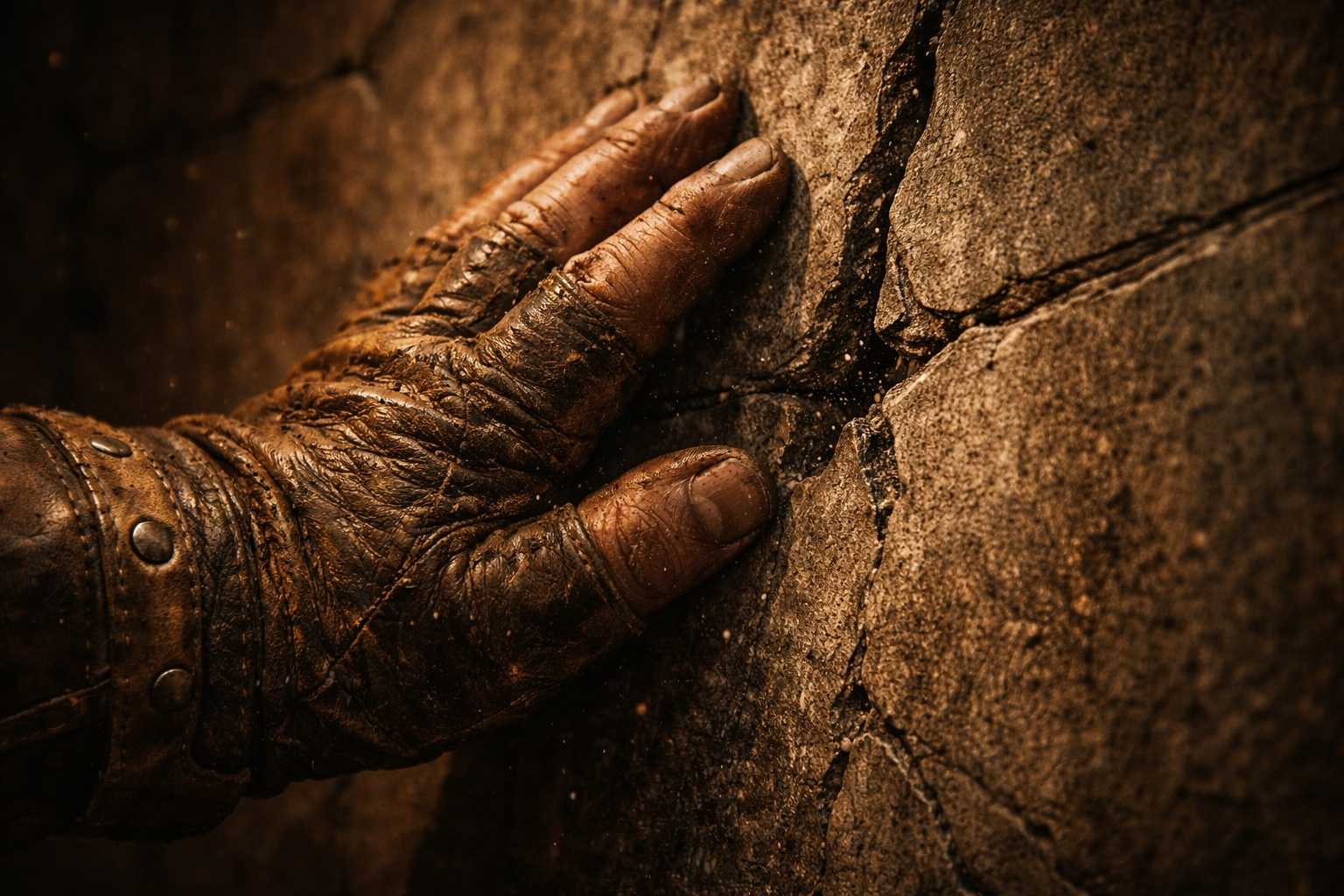
Bragni placed his hand flat against the wall below the crack. The cold bit into his palm instantly, sharp as a blade.
And he heard something.
Not with his ears—with his bones. A low vibration, almost beneath the threshold of sensation. A hum that seemed to come from everywhere and nowhere.
“Do you hear that?” he whispered.
The crew fell silent. One by one, they shook their heads.
But Bragni heard it. A steady pulse, deep and slow, like the heartbeat of something impossibly large. Sleeping. Or waking.
He pulled his hand away.
“We’re sealing this shaft,” he said. “Immediately. Full barricade. Iron bracing. Warded stone.”
“What?” Torgen stepped forward. “The Mining Council hasn’t approved—”
“The Mining Council isn’t standing in front of a crack that’s growing two inches an hour.” Bragni’s voice was sharper than he intended. “Get the ironworkers. Get a priest. Get anyone who can pour blessed mortar.”
Torgen hesitated—habitual deference to procedure warring with the visible evidence of something wrong.
Then he nodded and ran.
The barricade went up in three hours. Dwarven efficiency. Iron beams driven into the stone, reinforced with blessed chain, covered in warded mortar thick enough to stop a battering ram.
Bragni supervised every step. When the final seal was placed, he pressed his hand against it.
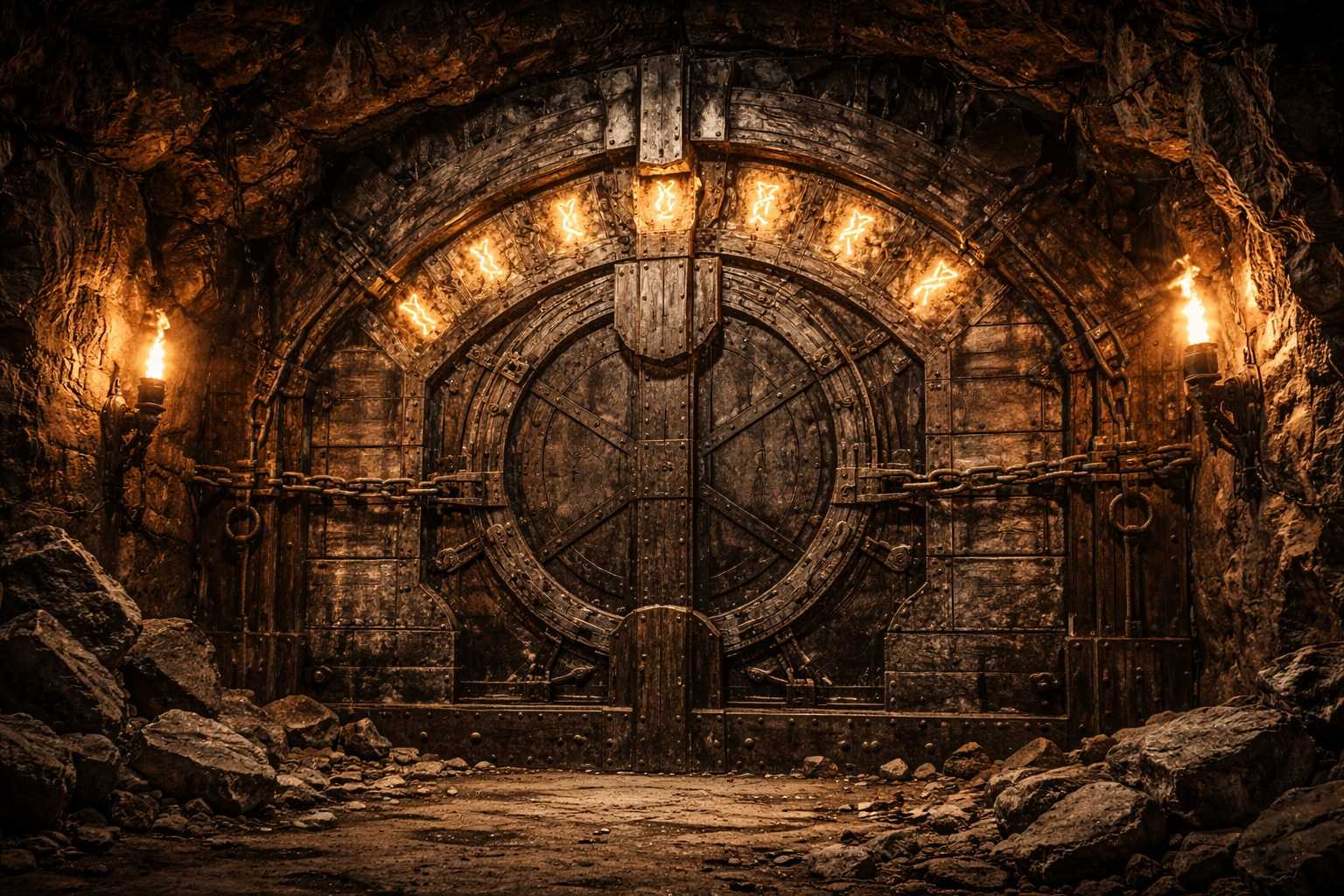
Warm. Solid. Safe.
He filed his report that evening. Structural anomaly contained. Recommend no excavation beyond Shaft Six until further study. Estimated repair cost: minimal. Estimated risk assessment: low.
The Mining Council read it. They thanked him for his diligence. They approved a commendation for quick action.
They did not ask about the cold. They did not ask about the vibration. They did not ask why a crack in blessed stone had grown seven inches in a single afternoon.
Some questions were easier not to ask.
Report filed. Shaft Six sealed. Survey crew reassigned.
The problem was solved. That was all that mattered.
Three weeks later, Bragni woke in the night to find his bedroom wall cold to the touch.
He didn’t report it. Some things, he was learning, were not meant for reports.
Stone cracked where it never had before. But the bracing held. For now.
For now was all anyone could promise.
End of Lore 1 — continues in Lore 2: The Zuraldarr
Previous Article
The Resilient Defense of the Lumeshirean Divine EmpireNext Article
The Zuraldarr

Related Posts

© 2026, All Rights Reserved.
Quick Links
Legal Stuff